
United For Impact is a nonprofit organization dedicated to strengthening communities by advancing mental health awareness, empowering youth through STEM education, supporting families, and honoring those who serve our nation.
Through community initiatives, national programs, and strategic partnerships, we bring people together to create meaningful and lasting impact.
United For Impact focuses its work through four core pillars designed to strengthen individuals, families, and communities.

Advancing initiatives that strengthen family well-being through mental health awareness, nutrition education, and preventive health outreach.
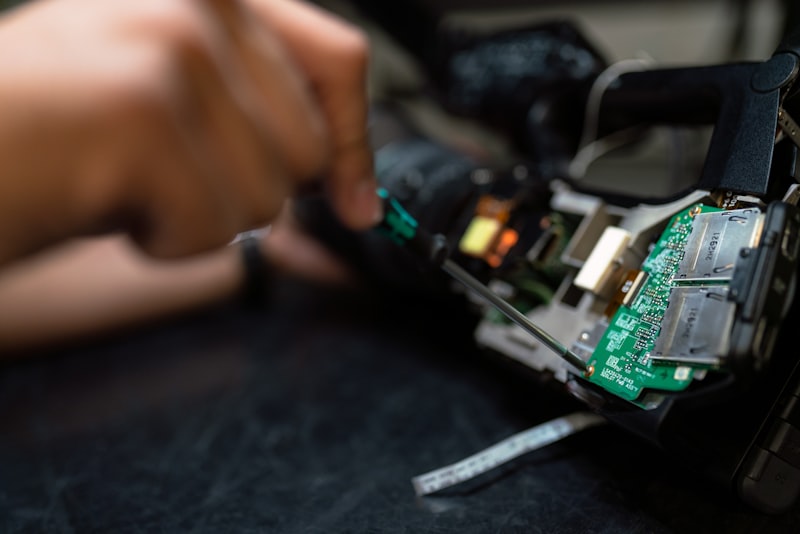
Empowering the next generation through initiatives that cultivate leadership, encourage innovation, and expand opportunities in STEM education and workforce readiness. These efforts support youth development, civic engagement, and the skills needed to thrive in a rapidly evolving world.
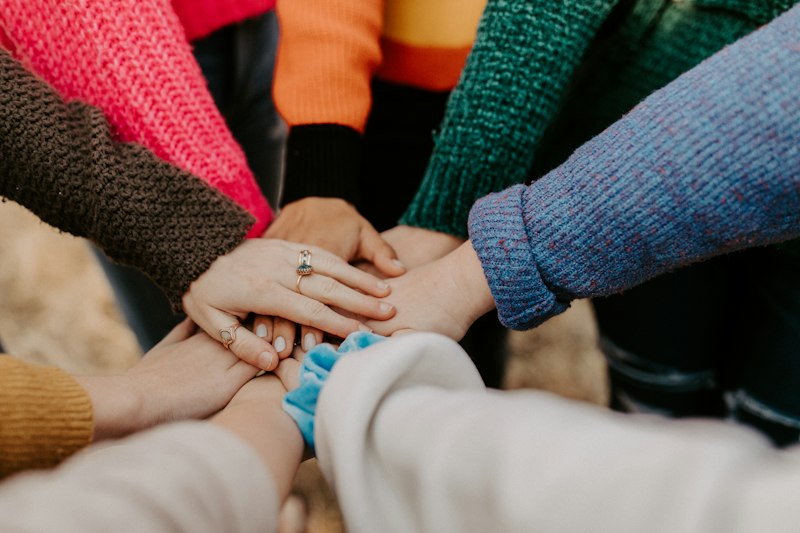
Advancing community well-being through outreach initiatives that increase awareness of critical public health issues and expand access to health education.

Recognizing the courage, dedication, and sacrifice of veterans, first responders, and community heroes whose service strengthens our communities. Through recognition initiatives and community gatherings, we celebrate their contributions and preserve their legacy of service.
United For Impact advances a series of signature initiatives that reflect our commitment to strengthening communities, empowering future leaders, and promoting meaningful dialogue around issues that shape the well-being of individuals and families.
The Newton Awards recognize and celebrate students who demonstrate exceptional creativity, curiosity, and innovation in science, technology, engineering, and related fields. This initiative encourages young thinkers and problem-solvers to explore new ideas, develop innovative solutions, and pursue excellence in STEM while inspiring the next generation of leaders and innovators.
The Youth Leadership Ambassador Program equips students with leadership skills, civic awareness, and opportunities to contribute meaningfully to their communities. Through mentorship, collaborative projects, and leadership development experiences, participants gain the confidence and skills needed to become thoughtful leaders and active citizens.
Laughing Plate is a community initiative designed to bring people together through shared meals and meaningful conversations. By fostering connection and dialogue in a welcoming environment, the initiative aims to reduce social isolation, strengthen relationships, and encourage a greater sense of community belonging.
The Significantly Invisible Podcast is a platform for thoughtful conversations on topics that often go unnoticed or unspoken in society. Through engaging discussions with community leaders, educators, and advocates, the podcast explores issues related to mental health, youth development, education, and community well-being.
The Leadership Symposium convenes leaders, educators, and community voices for meaningful dialogue around leadership, civic engagement, and community impact. The event provides a space for exchanging ideas, sharing experiences, and inspiring collaborative solutions that strengthen communities.
The United For Impact Annual Gala is a signature gathering that celebrates leadership, service, and individuals who have made meaningful contributions to their communities. The event brings together supporters, community partners, and leaders to recognize impact and advance the mission of United For Impact.
At United For Impact, change happens through people. Every event organized, every student encouraged, and every conversation started brings communities one step closer to a stronger and more connected future.
Our work is driven by individuals who believe that small actions can create powerful ripple effects across communities.
Together, we can build stronger communities, empower future leaders, and create lasting change.

Change happens when individuals choose to act. Whether through volunteering, supporting our programs, or partnering with our initiatives, every contribution helps expand the reach of our mission.
Together, we can build stronger communities, empower future leaders, and create lasting change.
Every effort, every voice, and every partnership moves us closer to a more connected and compassionate world.